Getting started with ice bathing? Here's how to do it smartly
More and more Dutch people are starting with ice baths, but how do you approach it smartly? Five practical tips about temperature, breathing and safety — plus how to easily build an ice bath habit at home.
In this article9 sections
A few years ago, it was still something for that one eccentric neighbor. Nowadays, you'll find an ice bath in more and more Dutch gardens, and honestly, we get it. Anyone who has tried it once knows how you feel afterwards: wide awake, fresh and, oddly enough, calm too.
But simply jumping into a barrel of ice-cold water isn't a good idea. In our showroom in Zutphen, we get questions about this every week, so here it is: everything you want to know before you start ice bathing.
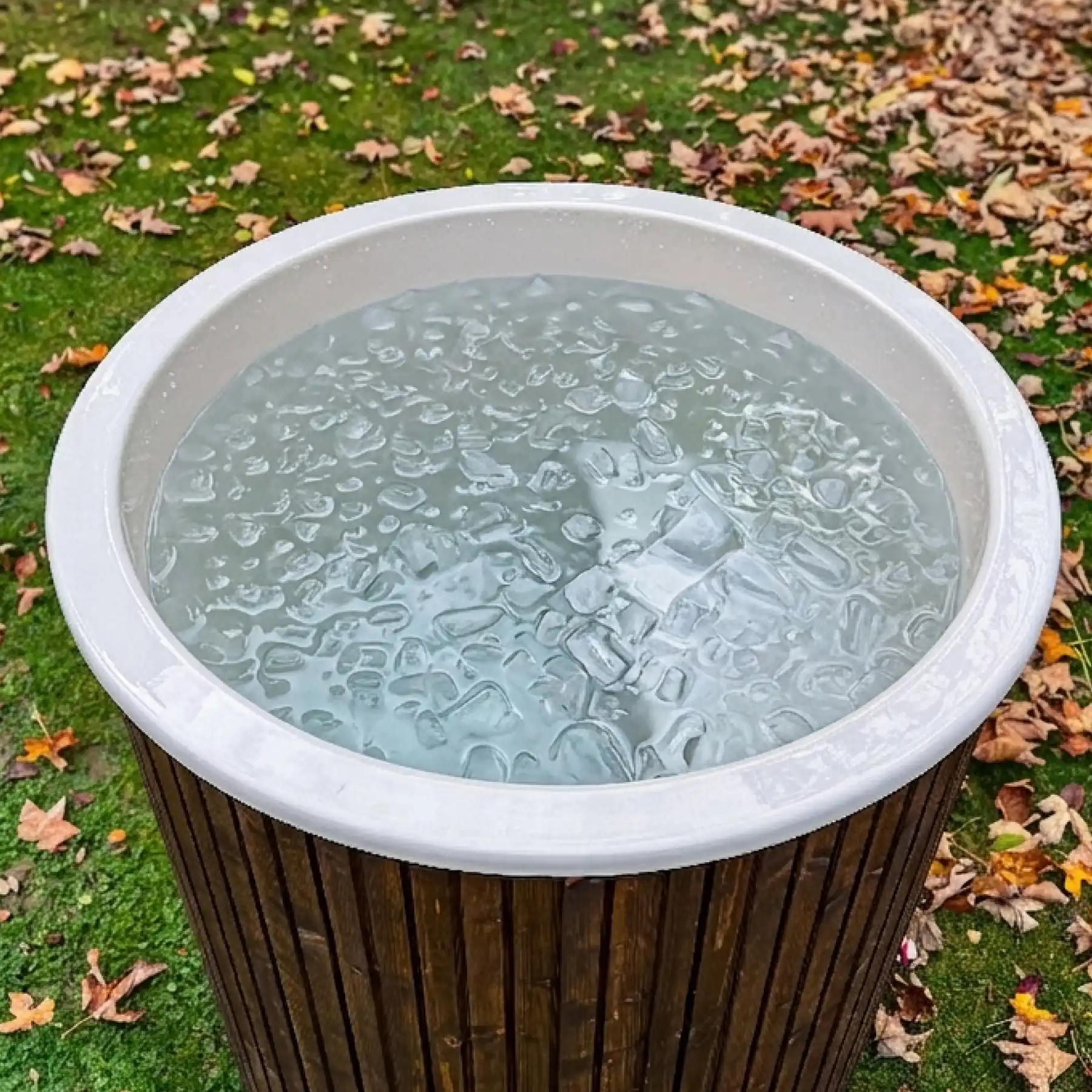
What does an ice bath actually do to you?
In short: your body is shocked. Blood vessels contract, your heart rate rises and your breathing speeds up. Sounds unpleasant, and it is, for the first thirty seconds. Then something interesting happens. Your body produces noradrenaline and endorphins, leaving you feeling energetic and clear-headed afterwards.
Athletes have used cold water immersion for years for recovery after intense training sessions. Since Wim Hof made ice bathing world-famous, there has also been increasing research into other effects: better sleep, less stress, a stronger immune system. Is everything scientifically proven? No, definitely not. But the experience of thousands of people who take a cold bath daily speaks for itself. And the great thing is: you'll notice fairly quickly yourself whether it's something for you.
Tip 1: start in the shower
You don't need an ice bath to start. Turn the tap to cold for thirty seconds at the end of your shower. The first time you'll curse, by the tenth time it won't be so bad. Gradually build that up to a minute or two.
Why this works: it gets your nervous system used to the cold stimulus in advance, and you find out for free whether cold water is something for you at all. Only once cold showers feel normal does a real ice bath become interesting. The difference lies in the immersion: in a cold plunge tub you're submerged up to your neck, and that's a completely different experience than a shower stream.
Tip 2: two minutes is enough
This is often where things go wrong. People think longer is better, but that's not true. For most of the benefits, two to three minutes at around 10 to 12 degrees is plenty. Colder or longer barely increases the effect, but it does increase the risk.
Just start at 12 to 15 degrees for the first few weeks. That feels cold enough, trust us. As your body gets used to it, you can gradually lower the temperature. Set a timer, because in cold water you lose all sense of time.
Tip 3: breathing is everything
For the first thirty seconds, your body wants just one thing: to get out. Your breathing shoots up and your muscles tense. That's exactly the moment to turn it around: breathe out slowly, longer than you breathe in. Four counts in, six counts out.
Sounds simple, and it is. But it's exactly the difference between two minutes of enduring and two minutes in which you notice you're gaining control over your own stress response. That feeling stays with you for the rest of the day. One thing though: don't do breathing exercises like hyperventilating while you're in the water. That belongs outside it, never inside.
Tip 4: choose your moment
Taking an ice bath in the morning works best for most people. You'll feel more awake afterwards than after two cups of coffee, and you'll benefit from the energy for the rest of the day. Right before bed is less handy, since that boost will actually keep you awake.
Do you exercise a lot? Here's a detail few people know: if muscle building is your goal, wait a few hours after strength training before taking a cold bath. Cooling down immediately afterwards slows down part of the muscle growth. For endurance athletes or simply recovering after a hard day, it makes little difference.
Tip 5: make it easy on yourself
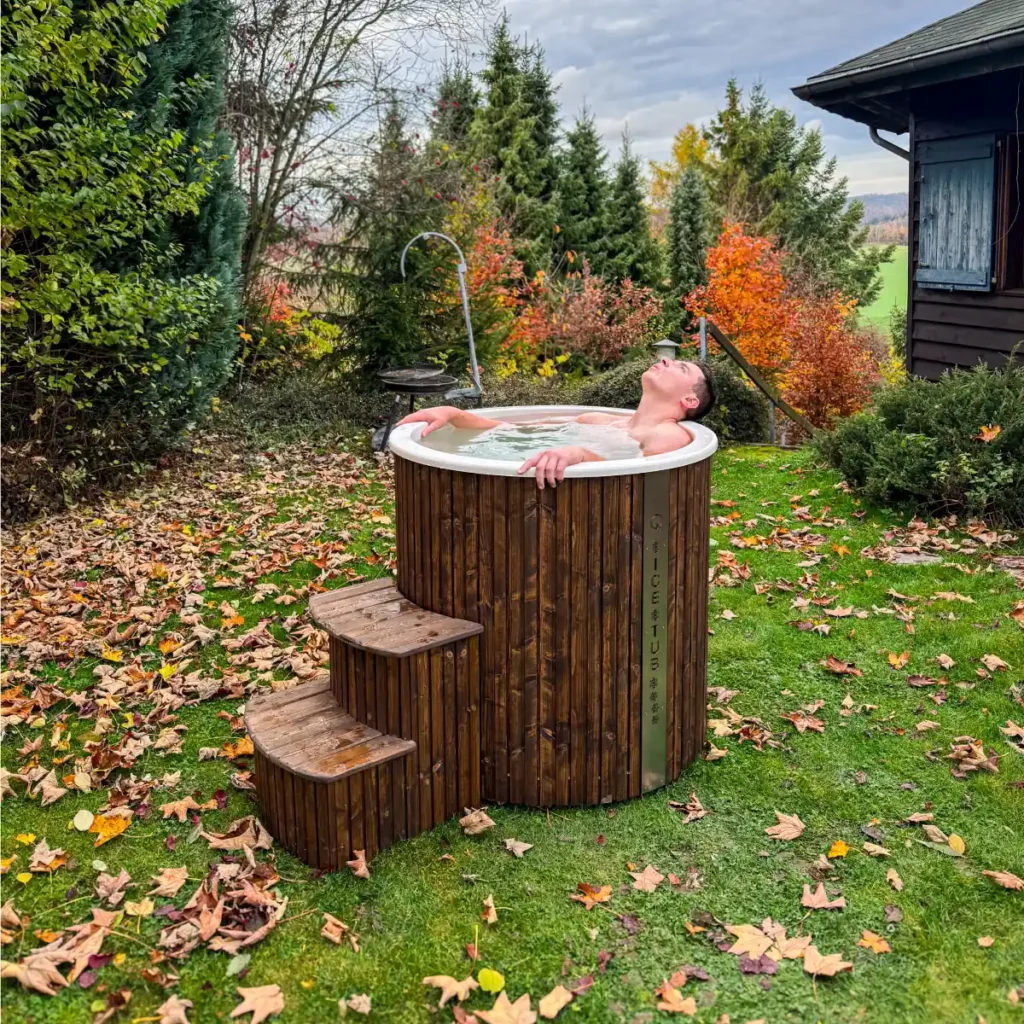
The biggest enemy of ice baths isn't the cold, it's the hassle. Filling a tub with bags of ice from the gas station every time isn't something anyone keeps up. If you want to make it a habit, set up a fixed spot in your garden or on your patio.
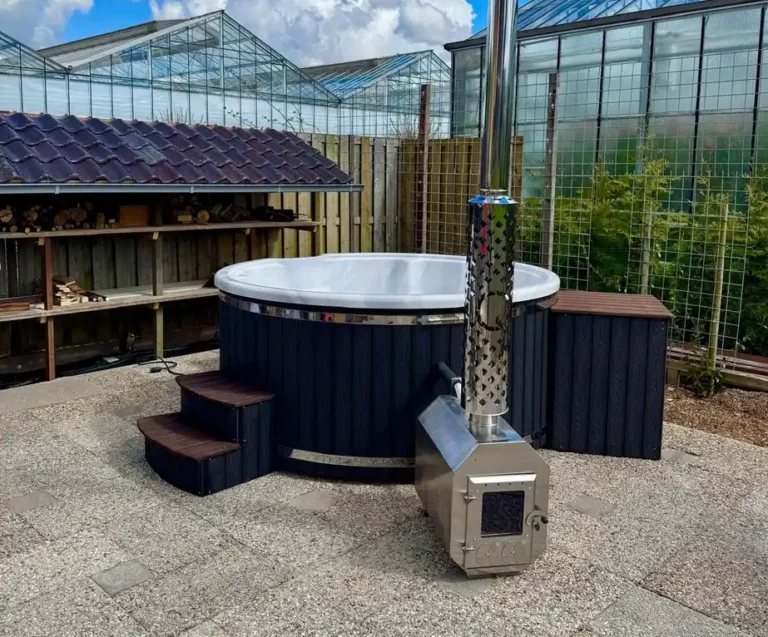
An ice bath for home doesn't have to be complicated. A well-insulated barrel with a lid keeps the water cold for a long time, especially during the Dutch autumn and winter. Our cold plunge tubs have no active cooling or chiller: the water temperature follows the season.
A word about safety
Ice bathing is fine for healthy people, but not for everyone. Do you have heart conditions, high blood pressure, or are you pregnant? Consult your doctor first. Never go into the water alone the first few times, and get out immediately if you feel dizzy or your fingers and toes go numb.
Afterwards: move gently and dress warmly. Your body temperature keeps dropping for a while after the bath (the so-called afterdrop), so that warm sweater isn't an unnecessary luxury.
Ready to start with an ice bath at home?
At Qrest, we make ice baths and cold plunge tubs that can withstand the Dutch climate: sturdy, well-insulated and usable outdoors all year round. Come visit our showroom in Zutphen to see one for yourself, or request a no-obligation quote. We're happy to help you think through the right model and spot in your garden.

Subscribe to our newsletter
Maintenance tips, new in-stock models and promotions. One email a month, unsubscribe anytime.
No hot tub in your garden yet?
Our stock includes wellness products that are ready to go: the same build quality, without the wait.